Single Estate vs Single Origin: Why It Matters for Your Cacao
When you reach for a bar of craft chocolate or a bag of ceremonial cacao, the label might say "single origin" or "single estate"—but do you know what that actually means? The distinction matters more than you might think. It shapes flavor, traceability, and the story behind every bean. At Agroverse, we source exclusively single-estate cacao from regenerative Brazilian farms, and here's why that choice matters for you.
What Is Single Origin Cacao?
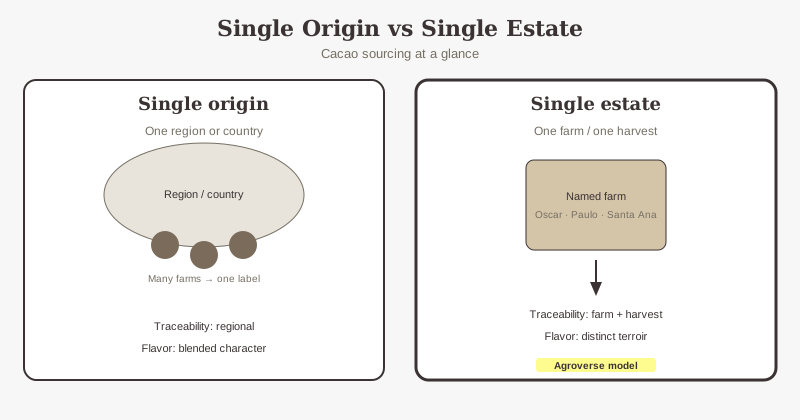
Single origin means cacao comes from one geographic region or country—for example, "Brazil," "Ecuador," or "Bahia." It's a step up from commodity cacao, which blends beans from many countries. Single origin gives you a sense of place and often reflects regional terroir: the soils, climate, and traditions of that area.
Pros: You get a regional character. Brazilian cacao tends toward warm, nutty, and earthy notes; Ecuadorian beans often bring brighter, floral profiles. Single origin supports regional economies and helps consumers connect to a broader story.
Cons: "Single origin" can still mix beans from many farms within that region. A "Brazil" label might combine lots from dozens of producers across Bahia, Pará, and beyond. Traceability stops at the country or state level—you rarely know which farm, let alone which trees, produced your beans.
What Is Single Estate Cacao?
Single estate means cacao comes from one farm or estate. Every bean in that lot is traceable to a specific place, often to a named farmer and a known harvest. This is the gold standard for craft chocolate and ceremonial cacao.
Pros: You know exactly where your cacao comes from. You can visit the farm (or at least see it), learn the farmer's story, and understand the practices that shaped the beans. Flavor is more consistent and distinctive because it reflects one farm's soil, climate, varieties, and processing—not a blend. Single estate supports direct relationships with farmers and enables true transparency.
At Agroverse, single estate is core to our model. We work directly with farmers like Oscar in Bahia, Paulo in the Amazon, and the team at Fazenda Santa Ana. Each shipment—AGL4, AGL6, AGL8, and beyond—is tied to a specific farm and harvest, so you can trace your cacao from tree to cup.
Single Origin vs Single Estate: Side by Side
| Factor | Single Origin | Single Estate |
|---|---|---|
| Definition | One region or country | One farm or estate |
| Traceability | Regional (country/state) | Farm-level (named farmer, harvest) |
| Flavor consistency | Can vary (blend of many farms) | More consistent (one farm's terroir) |
| Transparency | Limited—you know the region | High—you know the farm and farmer |
| Best for | General regional character | Ceremonial use, craft chocolate, storytelling |
Why It Matters: Ceremonial Use, Chocolate Makers, and the Planet
For Ceremonial Cacao
In ceremonial settings, intention and connection matter. Single-estate cacao lets you honor the land and the people who grew your beans. You can share the farmer's name—Oscar, Paulo, Matheus—and the story of their regenerative practices. That depth of connection supports a more meaningful ritual, whether you're leading a circle or drinking alone at dawn.
For Chocolate Makers
Craft chocolatiers rely on consistent, distinctive flavor profiles. Single-estate lots deliver that: each shipment has a clear character shaped by one farm's soil, varieties, and processing. Makers can design bars around specific estates, highlight terroir, and build loyal customers who return for "Paulo's Amazon lot" or "Oscar's Criolla grove."
For the Supply Chain and Environment
Single estate enables direct trade. We pay farmers fairly, visit their farms, and support regenerative practices—agroforestry, composting, biodiversity. When you buy single-estate cacao, you're voting for transparency, farmer livelihoods, and land stewardship. Blended "single origin" often obscures who grew what and under what conditions.
How Agroverse Does Single Estate
Every Agroverse shipment is single estate. Here are a few examples:
- AGL4 — Oscar's ancient Criolla grove in Bahia. Velvety, buttery, European-style depth from 80-year-old trees.
- AGL6 — São Jorge Farm in Itabuna, Bahia. Gentle, nutty, cabruca-grown cacao with subtle fruity and floral notes.
- AGL8 — Paulo's La do Sitio in Pará, Amazon. Award-winning, bold, earthy with tobacco and floral evolution.
- AGL14 — Oscar's farm in Bahia: Harvest 2025 cacao from trees over 70 years old, with full farm- and lot-level traceability.
From farm to cup: what we document
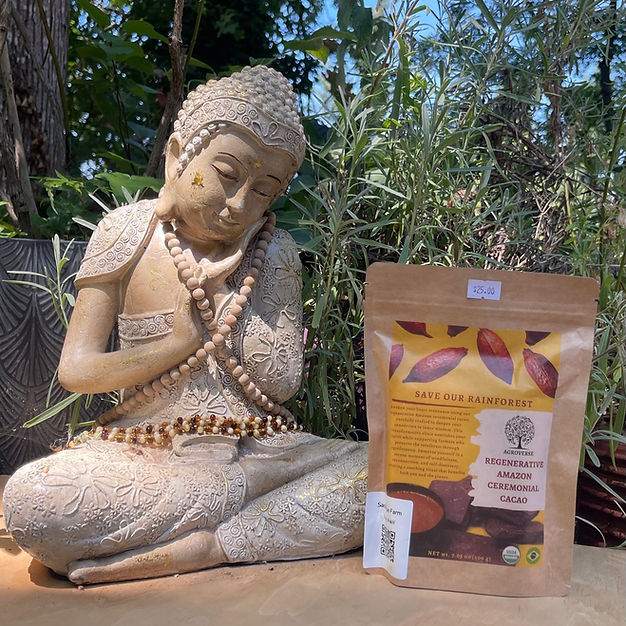
Each shipment includes QR codes that link to lab results from our partner CIC (Centro de Inovação do Cacau), so you can see fermentation scores, flavor notes, and quality data. We document AGL shipments from harvest to export, so the story is never lost.
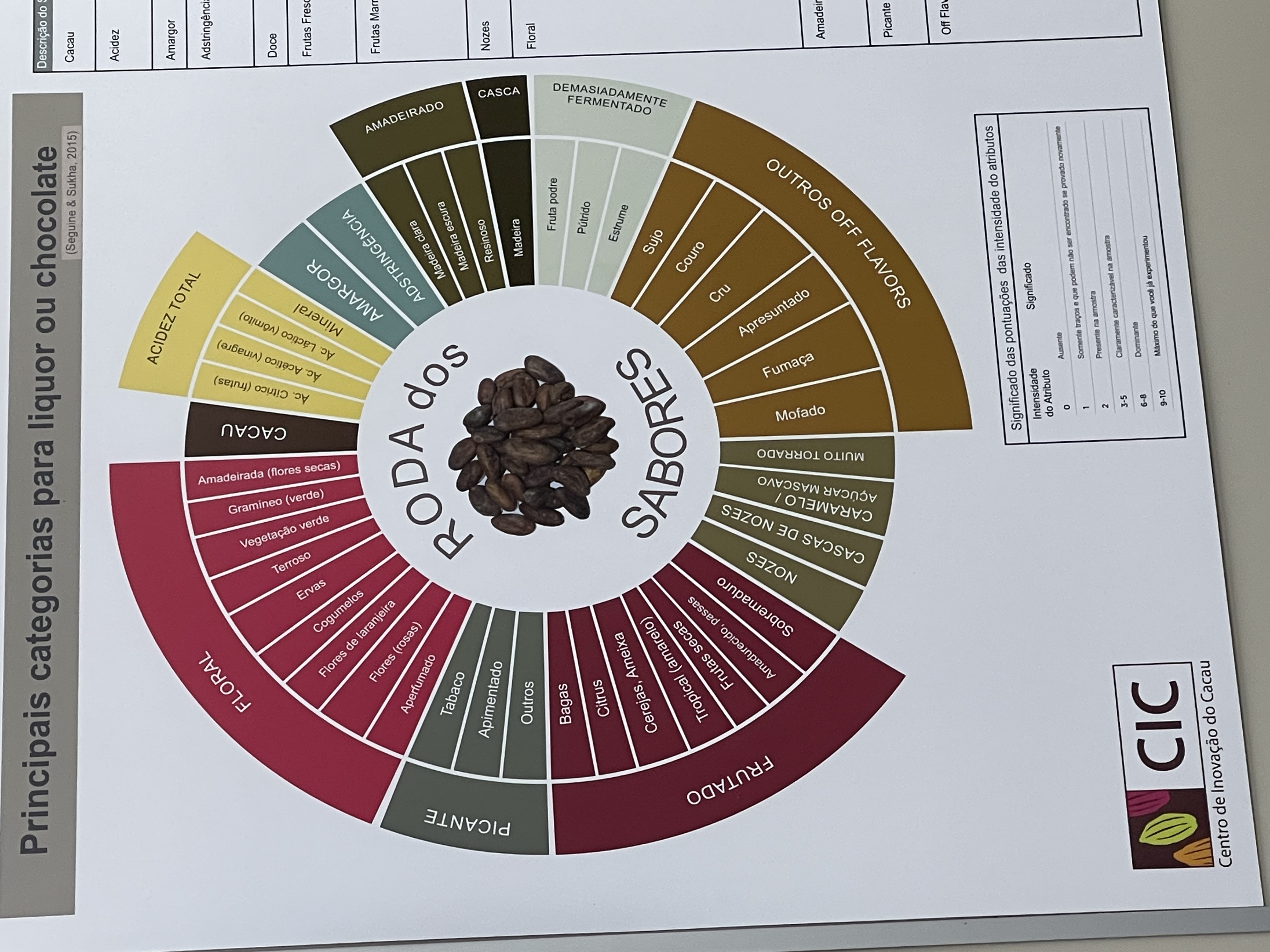
When you choose Agroverse, you're not just buying "Brazilian cacao." You're buying Oscar's Criolla, Paulo's Amazon wildness, or Matheus and Mailan's cabruca masterpiece. That's the power of single estate.
Ready to Taste the Difference?
Explore our current shipments and discover single-estate cacao with full traceability. Each lot tells a story—of a farm, a family, and a commitment to regenerating the land. That's the cacao we're proud to share.